
Scene Overview
Industry Overview & FSR Value
High-intensity athletic training, combat sports, and biomechanical analytics require durable tactile sensing solutions capable of enduring repeated, multi-axis explosive impacts without sensor fatigue or delamination.
Industry Context & Measurement Challenges
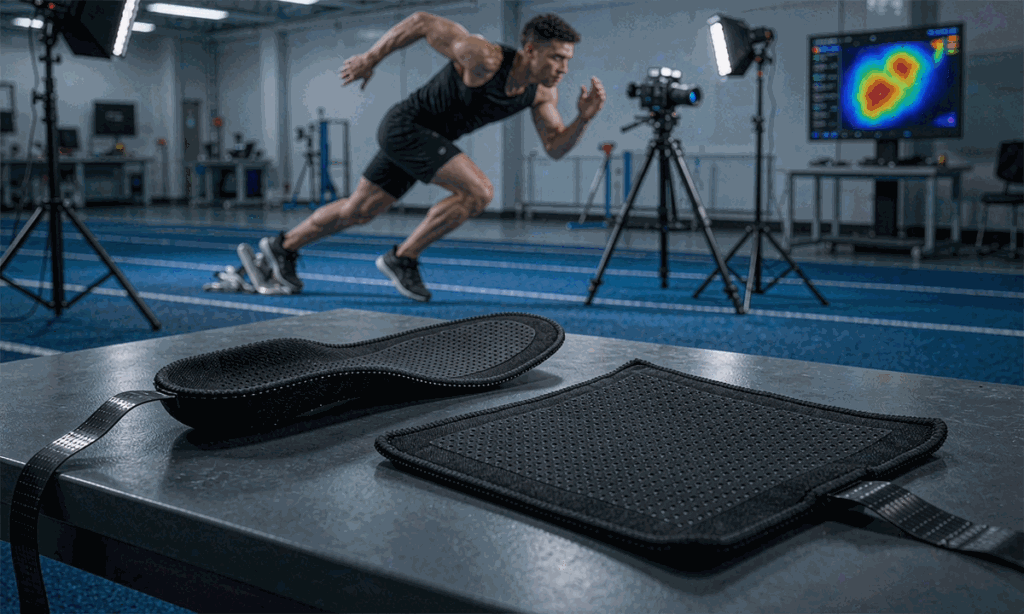
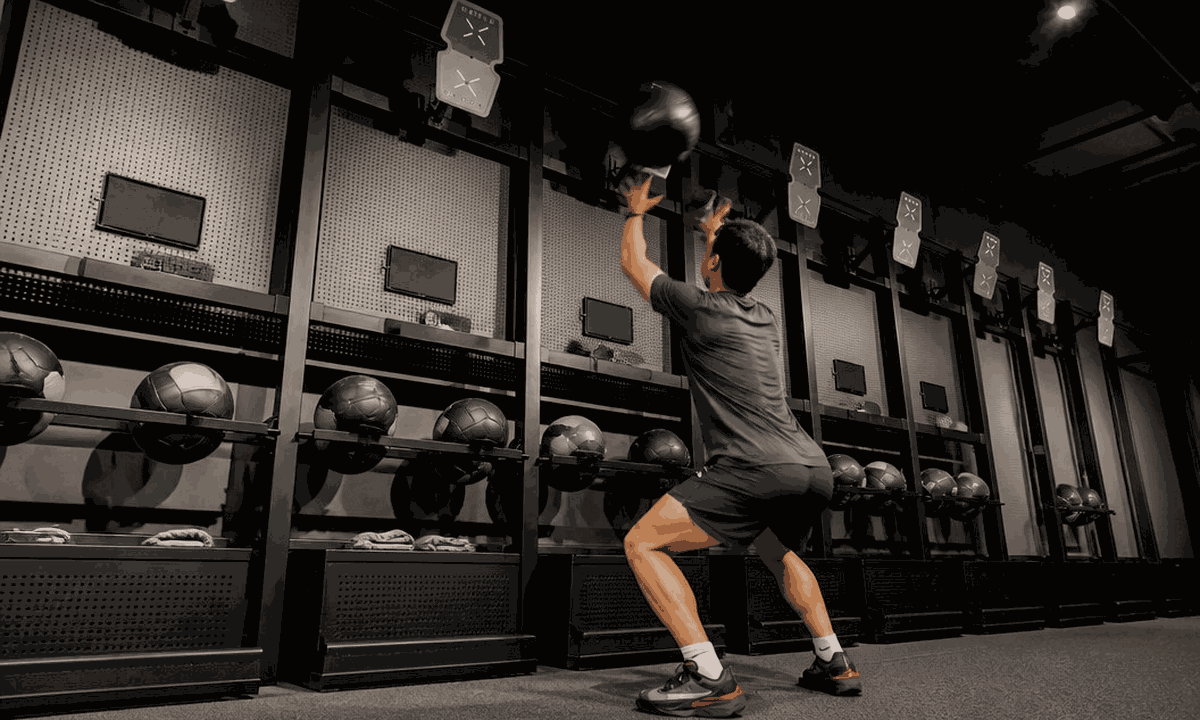
Modern sports science is rapidly shifting from subjective visual coaching to continuous, objective kinetic telemetry. High-impact contact surfaces—such as gym target walls, boxing focus pads, footwear insoles, and athletic training rigs—present severe engineering challenges for traditional electronics:
- Severe Repetitive Impact: Standard rigid load cells or optical switches cannot survive thousands of concentrated point-force strikes without mechanical fracture or sensor drift.
- Multi-Point Contact & Spatial Localization: Coaches need to know not only how hard an athlete strikes, but exactly where and with what cadence across wide physical zones.
- Low-Profile Integration: Sensors must be ultra-thin (<0.3mm) and flexible so they do not alter the natural rebound, ergonomic feel, or safety compliance of sports equipment.
FSR Value & Engineering Solution
FSRTEK delivers turnkey force-sensing solutions designed specifically for high-velocity sports telemetry:
- High-Durability Piezoresistive Inks: Sensor matrices printed with proprietary conductive ink formulations withstand >1,000,000 high-velocity impacts with minimal baseline drift.
- Zero-Potential Matrix Scanning: High-speed multichannel front-end hardware scans large-area tactile arrays at up to 100+ Hz, eliminating crosstalk and delivering millisecond-accurate strike timing and force magnitudes.
- Wireless Telemetry & Live Analytics: Compact, battery-powered BLE/Wi-Fi acquisition modules stream real-time strike heat maps, reaction times, and fatigue tracking directly to coach tablets or scoreboard displays.
Industry Environment
Operating Environment & Sensor Integration
Projects In This Scene
Concrete Projects In This Scene

Need a solution for a similar application?
Send us your target force range, sensing area and integration constraints.